

Advisory Panel
The Setup
I’m a solo operator running multiple things — a personal brand, a bakery, teaching, a book, client work when it makes sense. Every decision has tradeoffs. Should I raise my session price? Is this new idea a distraction or an opportunity? Should I build this app or finish the book first?
I don’t have a board of directors. I don’t have a business partner. I have a coach (Gianna, she’s great) but she’s not available at 9pm when I’m spiraling about whether to launch a workshop or finish a chapter.
What I wanted: a way to get multiple expert perspectives on any business question, instantly, without scheduling calls or paying for five different consultants.
The Build
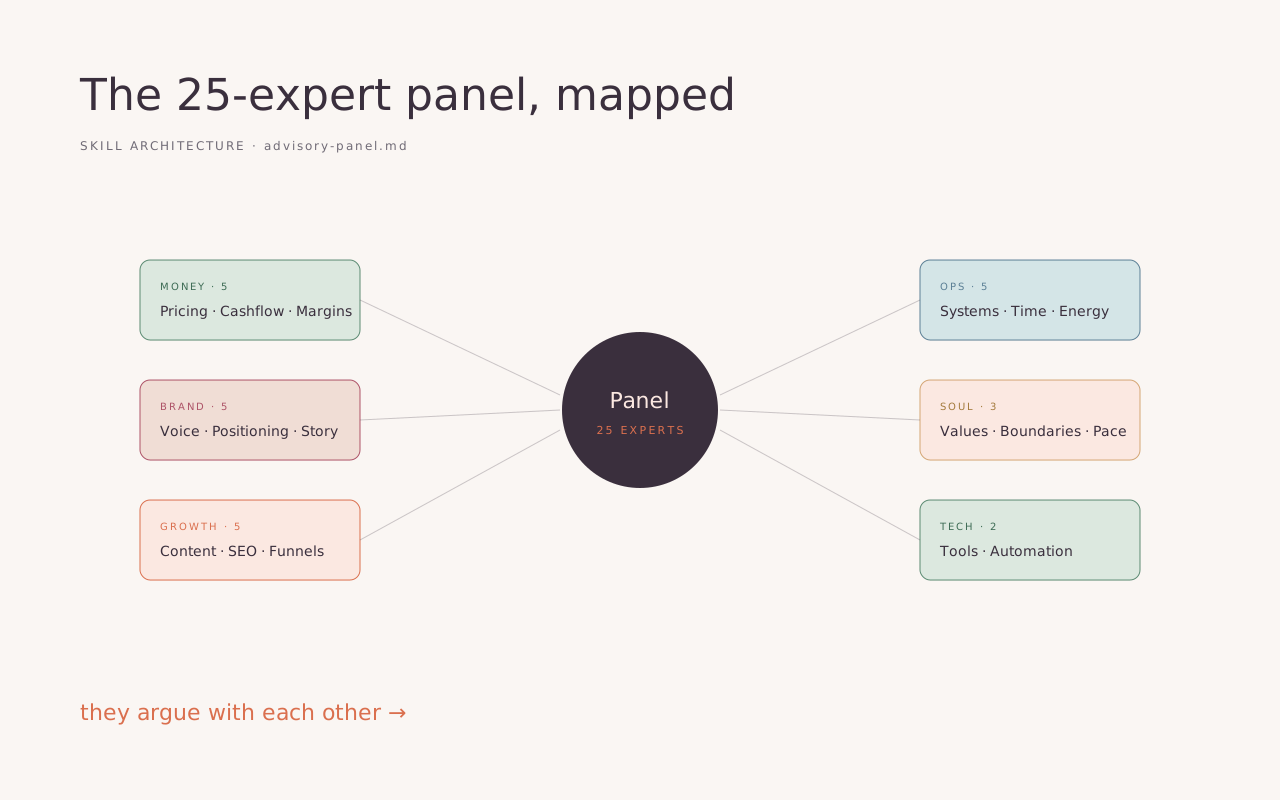
I built a Claude Cowork skill — a structured prompt architecture that simulates a 25-person advisory panel. Each “expert” has a defined role, a perspective, and a communication style. There’s a pricing strategist, a brand advisor, a content strategist, a financial planner, a community builder, and twenty more.
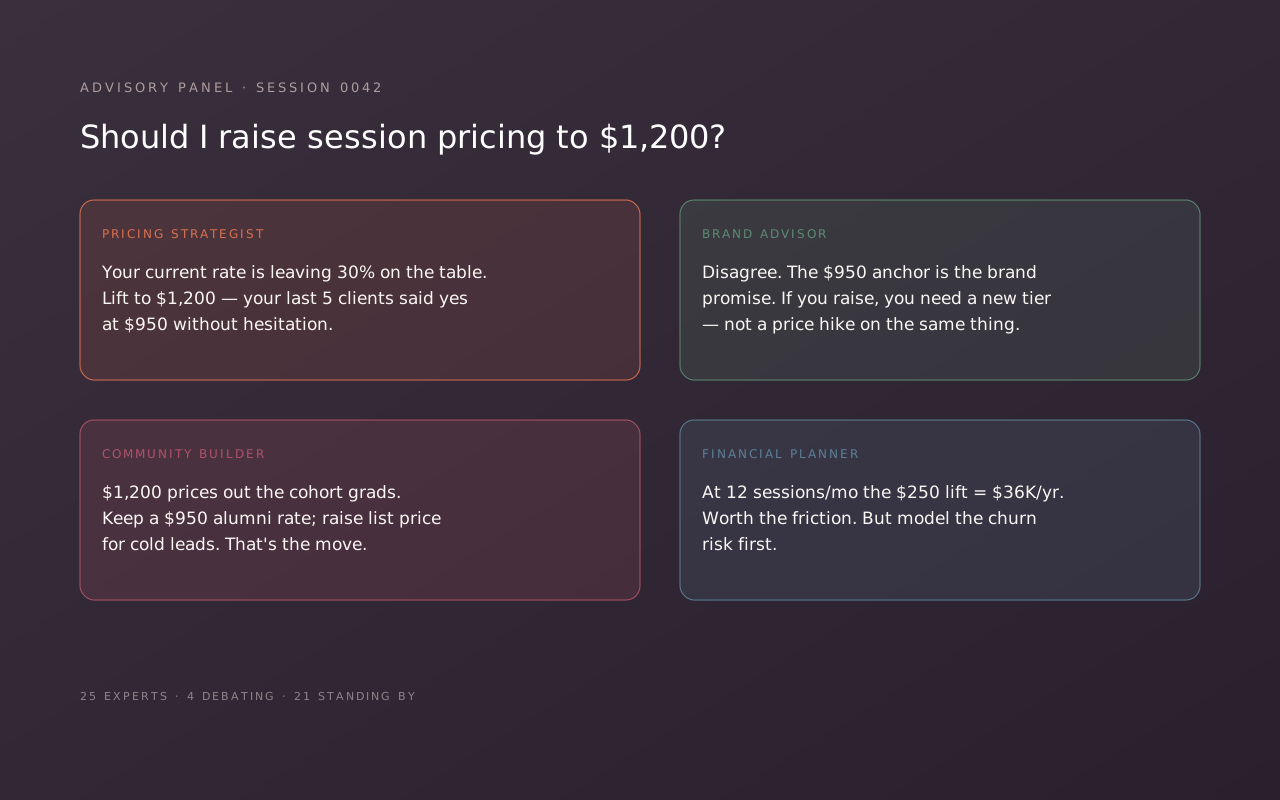
The skill loads my full business context — my dossier files, revenue model, current projects, decision filters, and what I’m focused on this quarter. When I ask a question, the panel debates it. They disagree with each other. They surface tradeoffs I didn’t see. They reference my actual numbers and constraints, not generic advice.
It’s not a chatbot pretending to be smart. It’s a structured decision-making framework that happens to run inside an AI tool.
The Mess
The first version was too agreeable. Every “expert” basically said the same thing with different words. That’s useless. A good advisory board has tension — the financial person pushes back on the creative person, the brand advisor disagrees with the growth hacker.
Getting the personas to genuinely conflict took work. I had to define not just their expertise but their biases, their blind spots, and what they’d fight about. The pricing strategist needs to care about margins more than the community builder cares about accessibility. The brand advisor needs to say “that’s off-brand” even when the growth person says “but it’ll convert.”
The other mess: context loading. An advisory panel that doesn’t know your business is just a fancy opinion generator. Getting the skill to reliably pull in the right dossier files, the right revenue numbers, the right current priorities — that took iteration. The panel needed to know that I’m parked on client work, focused on the book, and running a bakery simultaneously. Without that context, the advice was generic.
The Result
I use this weekly. Sometimes daily. I run decisions through it before I commit — new service pricing, whether to pursue a lead, how to structure a workshop, which project to prioritize next quarter.
The panel has caught me chasing shiny objects multiple times. It’s flagged pricing that’s too low. It’s talked me out of building apps when I should be finishing my book. It’s given me permission to say no to things that don’t serve my current goals.
It’s also become a teaching tool. When I show students what you can build with Claude Cowork, this is the specimen that lands. People don’t expect AI to argue with itself on your behalf. But that’s exactly what makes it useful.
The Takeaway
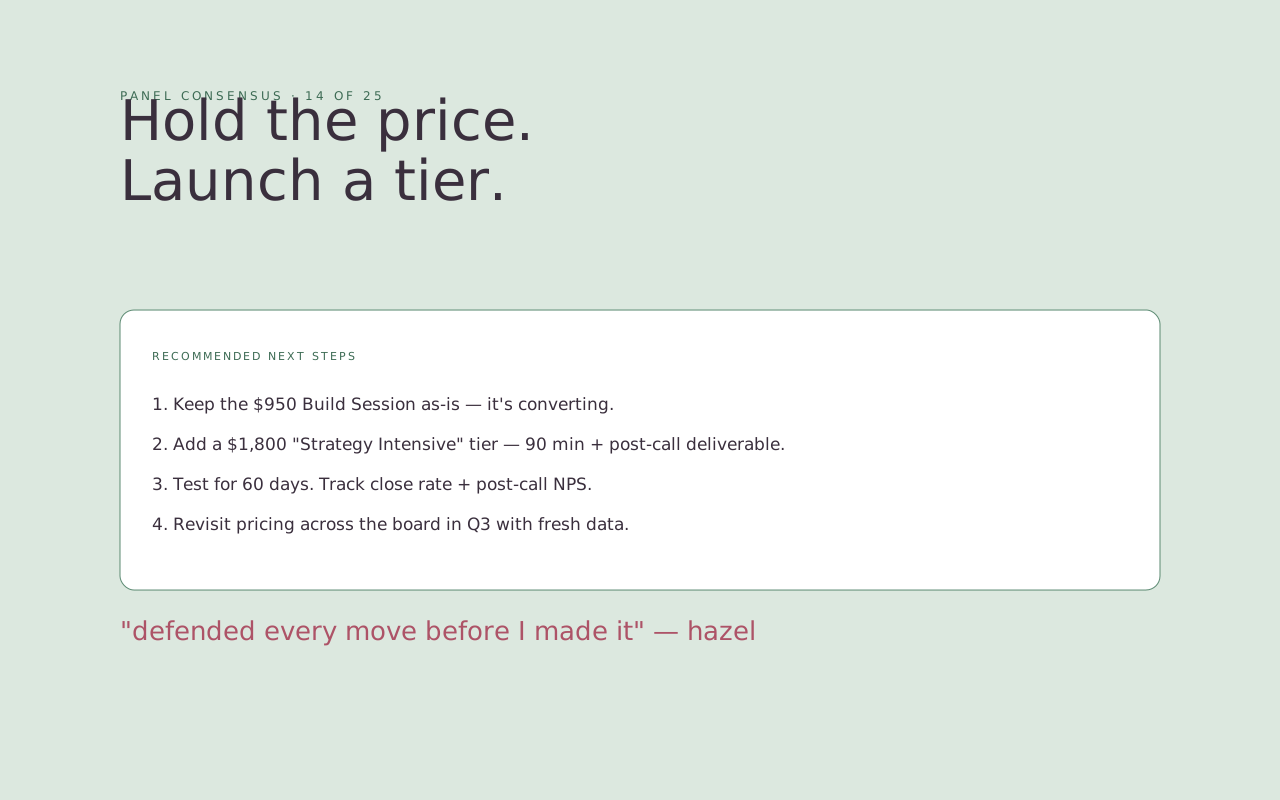
The best AI tool isn’t the one that agrees with you. It’s the one that makes you defend your decisions before you make them.
How It’s Built
- Platform: Claude Cowork (skill architecture)
- Context: Loads from dossier files, revenue model, decision filters
- Experts: 25 defined personas with distinct perspectives and biases
- Modes: Quick take (fast answers) and full report (deep debate with recommendations)
- Cost: Included in Claude subscription