

The Setup
Event marketing is its own animal. You’re selling something that hasn’t happened yet to people who have a million other things to do that day. They don’t know if the weather will cooperate. They don’t know if they’ll get a babysitter. They don’t know if the keynote speaker will actually show.
I worked on events across a wild range: family NYE festivals (think kids, balloons, countdown at 8pm), B2B WordPress conferences with hundreds of developers, StellarWP product launches targeting agencies, and community events through my Yelp work. What they all had in common was the same marketing challenge: turn maybes into committed attendees.
Most event marketing I saw was logistics-first. “Register here.” “Don’t forget the date.” “See you at 6pm.” Useful, sure. But it missed the real job: making people feel like they’re already part of something before they buy a ticket.
The Build
My approach flipped that. I built the marketing around the experience, not the logistics.
Pre-event email sequences weren’t reminders. They were anticipation-builders. For a WordCamp conference, the first email wasn’t “register now” — it was a story about what a developer learned at the last one. Second email: “Here’s who’s speaking (and why they matter to you).” Third: exclusive content from the speakers so you’d know what to expect. By the time registration opened, people already knew they wanted to be there.
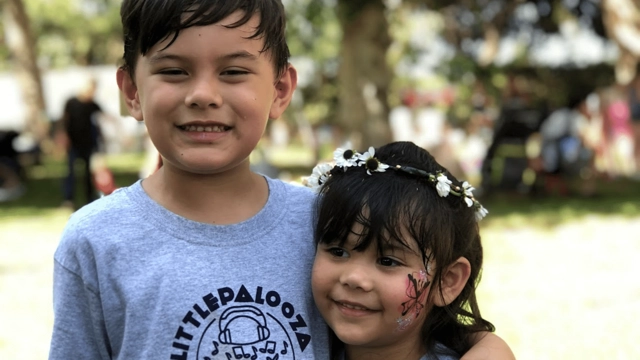
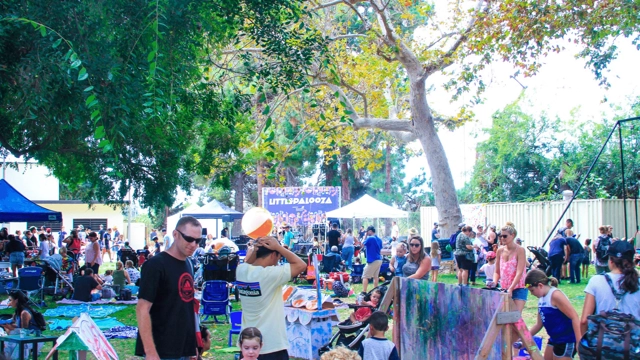
Social campaigns showed what attending felt like. For the NYE festival, we posted videos of kids laughing, families dancing, the countdown. Not “bring your family” but “here’s the joy you get if you bring your family.” For tech conferences, I shared photos of actual attendees at previous events having real conversations. The implicit message: you belong here with people like you.
Community partnerships put the event in front of the right people. Instead of blasting everyone, I found micro-communities. Parent groups for family events. Local WordPress meetups for conferences. Niche Slack communities. These people already cared about the topic. We just had to show them this specific event was worth their time.
Day-of content strategy kept the momentum going. Live social coverage so people at home watched the countdown happen in real time. Behind-the-scenes stories from setup. Attendee testimonials going out to the people we almost convinced. The goal: make people who didn’t come wish they had.
The Mess
Event marketing timelines are brutal. You’re always behind.
Speakers cancel two weeks before. Weather forecasts shift. Venue capacity changes. And the marketing has to pivot in real time. I’ve rewritten email subject lines 36 hours before send. I’ve rebuilt social calendars because a keynote keynote fell through. I’ve scrambled to find backup community partnerships when the original plan didn’t work.
What made it harder: event marketing is high-stakes and time-bound. You can’t A/B test email subject lines for two weeks. You send it and you know within hours if people are registering. There’s no second chance at the event itself. If your marketing doesn’t convert by date X, that’s it.
The other thing nobody tells you: events bring out people’s chaos. The organizer who keeps changing the event description. The sponsor who wants their logo bigger than the speaker. The registration system that crashes at 9am. Your marketing has to be flexible enough to hold while everything else falls apart.
The Result
Across the range of events, I consistently moved the needle on attendance.
For family events, we went from “hoped we’d get decent turnout” to “we’re at capacity and have a waitlist.” For WordCamp, registrations were up 30% year-over-year. For StellarWP launches, we filled the room with the right people (not just bodies, but agency owners and developers who’d actually use the product).
The metric I cared about most: repeat attendance. If someone came to one event because of your marketing, did they come back? For family events, yes. For conferences, people registered for the next one without being asked. That’s when you know your marketing worked — you made the experience real enough before it happened that they wanted to do it again.
The Takeaway
Event marketing works when you stop selling the logistics and start selling the experience.
People don’t register because you have a date and time. They register because they believe they’ll have a good time there, learn something, or meet someone who matters. Your marketing job is to make that belief real before they buy a ticket.
That means:
Your pre-event communications should create anticipation, not just information. Tell stories about what happened last time. Show the actual people who will be there. Make attendees curious.
Your social campaigns should show the feeling of the event, not the facts. It’s not “we have a keynote speaker.” It’s “here’s a conversation you’ll wish you were part of.”
Your community strategy should find micro-audiences who already care about the thing. Make their case specifically. A parent in your neighborhood cares more about “family-friendly countdown for 8-year-olds” than they do about your event’s general description.
And your day-of content should work for two audiences at once: the people there (give them moments to share) and the people watching from home (make them regret missing it).
What Changed Because of This
I started thinking about event marketing differently after doing this work. I stopped seeing events as things to promote and started seeing them as experiences to sell in advance. That shift showed up in how I worked with clients. We spent less time on logistics in the marketing and more time on narrative. We asked “what will people feel at this event?” instead of “what facts do people need to know?”
It also made me more skeptical of event marketing that leans on urgency and FOMO. Yes, scarcity works. But it works better when paired with genuine anticipation. You can manufacture urgency. You can’t manufacture the belief that someone will have a good time. That has to be earned in the marketing.
Planning an event? Book a Vibe Code mentorship session — $450/90 minutes.