
The Setup
I was a new mom in Long Beach, CA. Miles was tiny, Zelda wasn’t here yet, and I was looking for my people. A parent community. You know, the kind where you actually fit.
What I found instead: Facebook groups that were either crunchy as hell, run like corporate HR departments, or absolutely cliquey. The kind where you post a question and get three pages of unsolicited advice wrapped in “well, actually.” Not it.
So I did what I do. I built it myself.
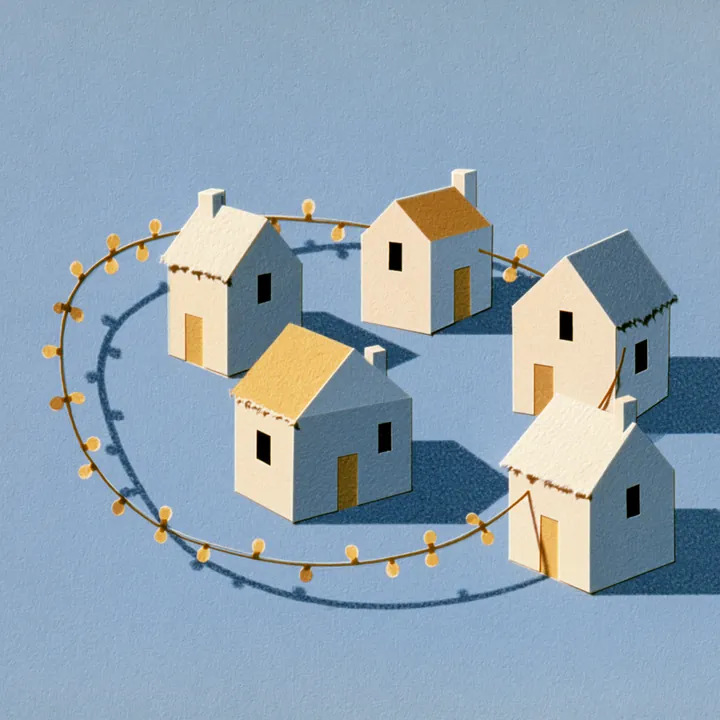
LB Littles started as a simple Facebook group. I had one mission: create a space where Long Beach parents could find real information, real connections, and zero judgment. No mommy wars. No sponsored posts disguised as advice. Just parents helping parents.
The Build
The early days were me learning that community isn’t about having the biggest group. It’s about having the right culture.
I started with what I learned at Yelp: the power of a good marketplace. For Yelp, it was local businesses. For LB Littles, it was local resources and real recommendations. I built a living resource list—pediatricians, playgrounds, tutors, activities, kid-friendly restaurants. Not exhaustive. Curated. Parents actually used it.
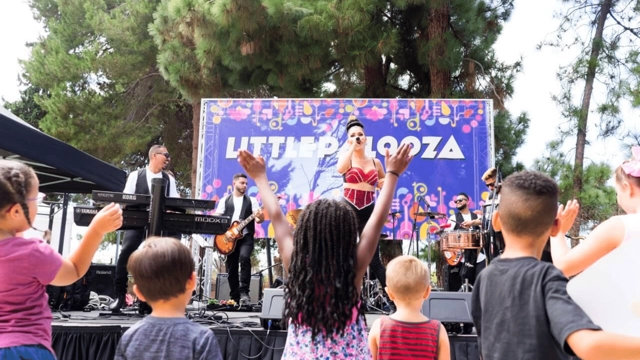
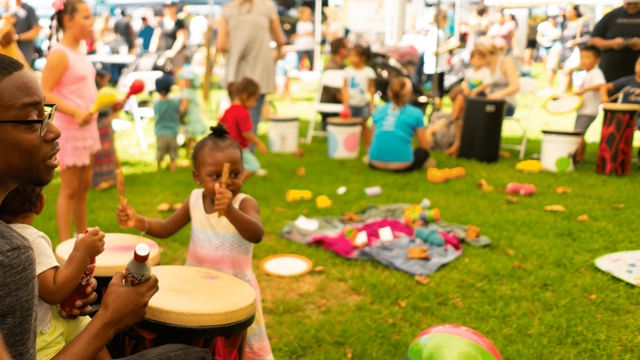
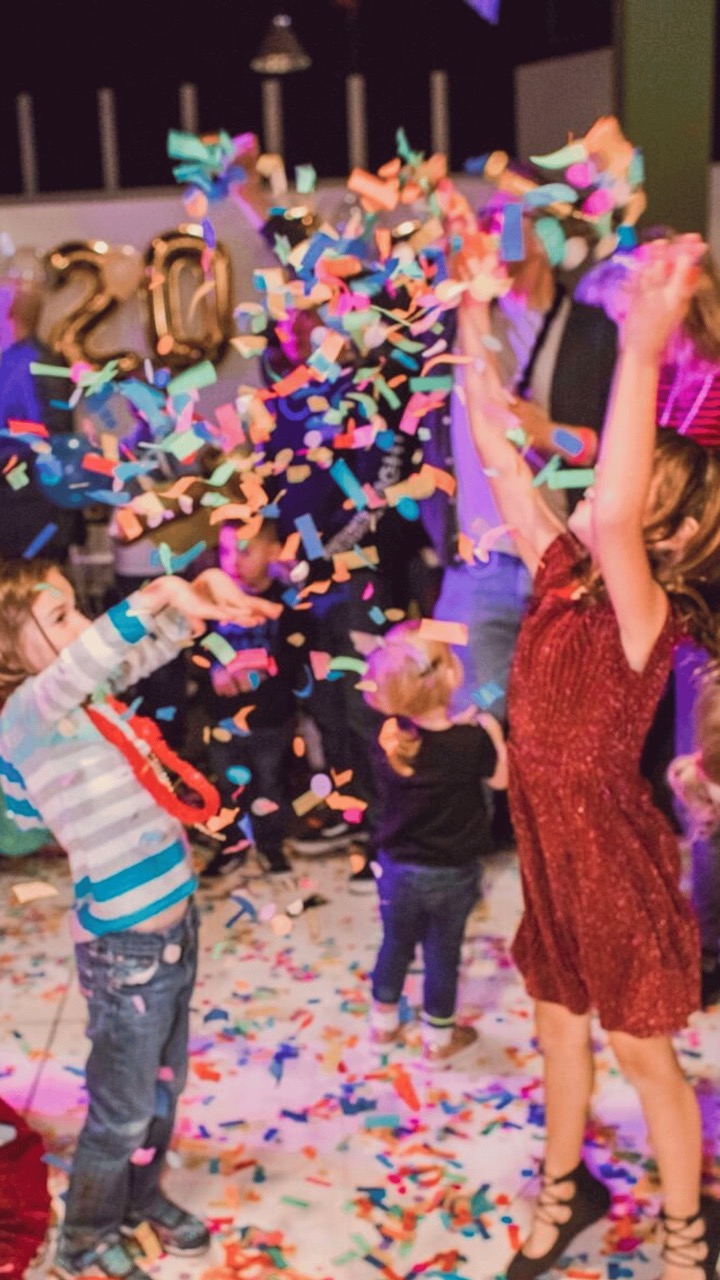
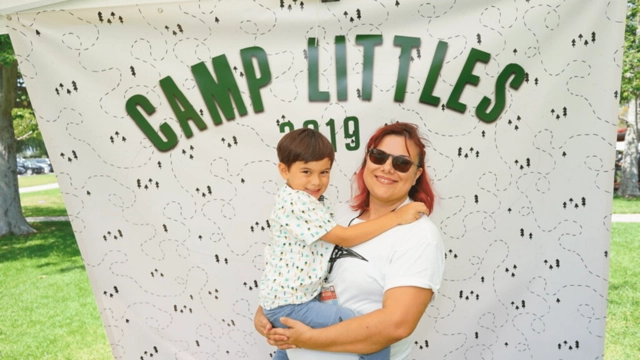
Then came events. Local partners were desperate to reach families, and I was the person who knew families. I coordinated partnerships with kid-friendly venues—parks, libraries, community centers—and hosted regular events. Free or cheap. Low barrier to entry. High quality. We did story times, playground meetups, seasonal festivals, classes from local teachers. Each event was a magnet. Each one grew the group.
The growth was organic. No paid ads. No influencer tactics. Just parents telling their friends, “Hey, there’s this group. It’s actually good.” Word of mouth scales when you actually deserve it.
By the time we left Long Beach, LB Littles had become the resource for families in the area. New parents would find it in their first week. Local businesses would reach out asking how to partner. It had its own momentum.
The Mess
Community is beautiful until it isn’t.
I learned fast that running a volunteer community as a new parent is chaos. Burnout is real. I was moderating daily, answering DMs, coordinating volunteers, managing drama. People treated the group like their personal complaint box. Someone would vent about their pediatrician, and suddenly it became a referendum on all pediatricians. Another person would ask a question and get 47 conflicting answers from well-meaning chaos agents.
I had to learn boundaries. Set clear community guidelines. Get brave about removing people who were poisoning the culture. Delegate moderation to people I trusted. Admit that I couldn’t do everything.
The harder lesson: community founders can’t manage from above. I had to stay part of it. Show up. Answer questions. Be visibly present. The moment I tried to “run” it like a project manager instead of living in it like a member, people felt it.
The Result
LB Littles became a real infrastructure for Long Beach families. Not a trend. Not a vanity project. A place where new parents found their village. Where local businesses found an authentic way to reach families. Where every announcement went out faster than the neighborhood Facebook wall because people actually trusted the source.
The reach was significant. By the end, the group had thousands of active members. The resource list got thousands of views per month. Events pulled consistent crowds. Parents had tagged me in screenshots, recommendations, thank-you posts.
But here’s what mattered most: I proved that authentic community scales without bullshit. No growth hacks. No paid amplification. Just a person who knew how to build systems, who genuinely cared, and who was willing to show up.
The Takeaway
Community grows when the founder is genuinely part of it. Not running it. Not curating it from a distance. Living in it.
LB Littles worked because I was a parent in Long Beach. I had skin in the game. I used the resources I recommended. I showed up to events. I got it wrong sometimes and admitted it. I was present, not polished.
That’s not scalable to millions. It’s the opposite of scalable. But it’s the thing that makes community real.
If you’re thinking about building community—for a brand, a cause, a neighborhood, a niche—remember: culture is the product. Your job isn’t to manage it. Your job is to establish it so clearly that it manages itself. Get out of the way, but stay visible.
The people you’re trying to reach can tell the difference between someone who’s actually invested and someone who’s running a project. LB Littles grew because it was real.
What Changed Because of This
I learned how to build community infrastructure, not just community. I learned to set boundaries and delegate. I proved to myself that I could create something people needed, not just something that looked good. And I learned that the highest-leverage work is always helping people connect with each other.
When I transitioned out of Long Beach and into national platforms, this foundation stayed with me. It’s why community is core to everything I build now. Why Threads matters to me. Why I show up.
Want to build a community that grows itself? Book a Vibe Code mentorship session — $450/90 minutes.