

The Setup
The client had built something real. A 3,000+ member Facebook group. Thriving. People asked questions. Shared wins. Showed up every day. The whole community lived there.
But Facebook owned it.
Algorithm changes were already killing reach. Posts that used to get 300 comments now got 30. The Facebook gods could shut it down anytime. No recourse. No warning. The group could vanish and take the whole community with it.
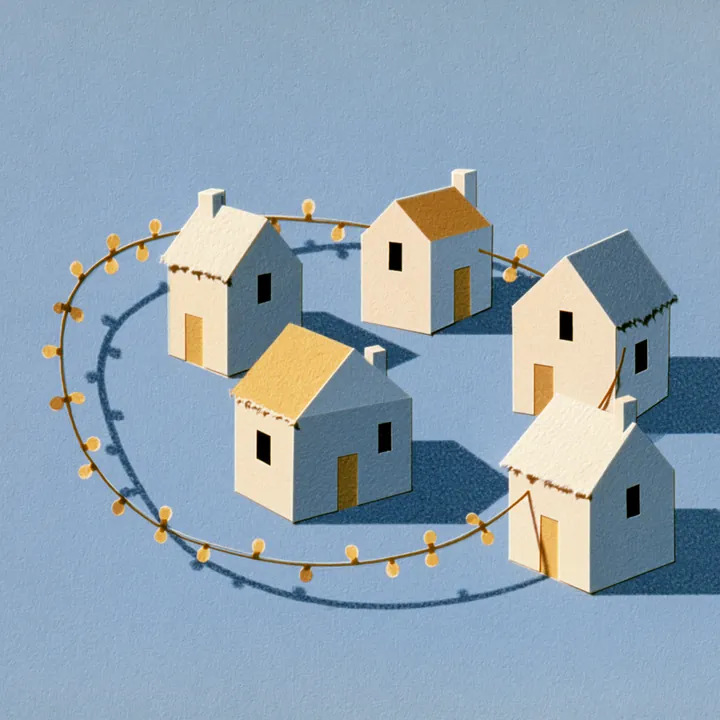
The client knew they had a problem. They had built on rented land. And the landlord was getting stingy.
They needed an email list. Not just any list — their list. Their people. Their rules. But here’s the thing nobody talks about: people don’t want to leave Facebook. They’re already there. Asking them to join yet another platform feels like work.
So we had to make the email list the better place to be.
The Build
We started with the obvious move: exclusive content.
Built a lead magnet — a download, a resource guide, something valuable. Made it email-only. “Join our email list and get this.”
First attempt got a 12% conversion rate. Twelve percent of 3,000 is 360 people. That’s fine. But it’s not a migration. It’s a trickle.
We tried again. This time: early access to new products. Members got to see what was coming before the public. A real perk. It worked better. 18% conversion. Another 540 people. Progress, but still slow.
Then we tried something different. We created a private podcast feed. Not available anywhere else. Only for email subscribers. You were part of a club. You got voice. You got intimacy. You got something you literally could not get on Facebook.
That hit 34%. Suddenly we were talking about a thousand people moving from Facebook to email. The email list became the real community.
But here’s what made it work: we didn’t ask people to abandon Facebook. We made the email list worth their time. We stacked value on value. The podcast wasn’t just content—it was a status symbol. A proof that they belonged to something real.
The Mess
Not everyone was happy.
Some members got angry about the push. They felt manipulated. They’d been part of the Facebook community for years. Why were we trying to move them? What was wrong with Facebook?
We had to be transparent about why. We posted directly in the group. Explained the algorithm problem. Talked about platform risk. About ownership. About what it meant to have your whole community on a platform you don’t control. We didn’t sugarcoat it.
Some people still resisted. Some never moved. And that was fine. We kept the Facebook group alive. We just stopped treating it like the main stage.
The real mess was managing two places at once for a while. The email list was growing. The Facebook group was still there. People asked the same questions in both places. Engagement felt split. You can’t run a thriving community on two platforms simultaneously. Eventually, you have to pick one.
We picked email. And we were honest about it.
The Result
Over six months, we moved 1,200+ people from Facebook to the email list. Not all 3,000. But 1,200 active, engaged people who checked their email because something real was happening there.
The engagement metrics changed too. Facebook group activity dropped. But email open rates climbed to 42%. Click rates hit 28%. These weren’t vanity metrics. These were people who showed up. People who cared enough to click.
The podcast feed became the most-accessed benefit. People shared episodes. They quoted them. The community developed a culture around what they were hearing. It wasn’t a broadcast. It was a conversation that happened to be delivered by email and audio.
And here’s what mattered most: the client owned it. If they wanted to change how they communicated. If they wanted to charge for advanced content someday. If they wanted to host a live event just for subscribers. They could. No permission slip from Facebook required.
The Takeaway
You can’t force a migration. You have to make people want to move.
The platforms people actually use are frictionless. They’re easy. They’re social. Asking someone to switch requires giving them something genuinely better—not something better in theory, but something better in practice.
A private podcast worked because it was intimate. Exclusive. Voice carries emotion that text doesn’t. A knowledge base alone wouldn’t have worked. Early access alone wouldn’t have worked. We had to layer the value until it was undeniable.
The other thing: transparency matters. Be honest about why you’re doing this. People understand platform risk. They know Facebook is unpredictable. They know email addresses are theirs. When you explain the “why” clearly, resistance softens. Not everyone moves. But the people who do move feel like they made the right choice instead of being pushed into it.
What Changed Because of This
This project taught me that migration campaigns need to be designed like product launches. You’re not just moving a list. You’re launching a new way of being together. You’re giving people a reason to change their behavior.
I started asking every community-based client: Where do you actually own your audience? What happens if the platform changes the rules? How are you hedging that risk?
Most of them didn’t have an answer. Now they do.
The other shift: I stopped thinking of email lists as sales tools. They’re relationship infrastructure. They’re how you stay in control of the most important thing you have—the trust of the people who care about your work.
Want to move your community off rented land? Book a Vibe Code mentorship session — $450/90 minutes.